

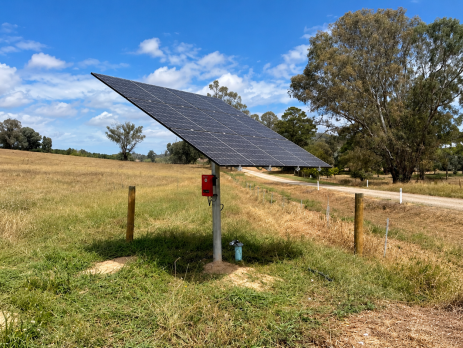
How Solar Water Pumps Improve Water Reliability on Australian Farms
Reliable water is fundamental to a productive farm. Livestock, irrigation, spraying, cleaning and household use can all depend on water reaching the right place at the right time. When a pump relies on an unreliable power supply, regular fuel deliveries or frequent manual starting, the water system can become a daily source of risk.
Solar water pumps for farms can reduce that risk by using sunlight to move water from a bore, dam, creek or tank. However, the solar panels and pump are only part of the solution. Reliable farm water comes from matching the pump to the source, the required flow and pressure, the property layout and the daily water demand. Storage, controls and suitable backup power can then keep water available when the pump is not operating.
In short: Solar water pumps can improve farm water reliability by reducing dependence on grid power, diesel fuel and manual operation. The most dependable systems use correct pump sizing, adequate water storage, protective controls and, where necessary, mains or generator backup.
Why farm water reliability is about more than the pump
A pump may need to move water a long distance, lift it up a hill or fill several tanks across a property. Its workload can also change with the season, livestock numbers or irrigation demand.
This means a reliable system must answer several practical questions:
- How many litres of water does the farm need each day?
- Where does the water come from, and how much can that source supply?
- How high and how far must the water travel?
- What flow rate is needed at the delivery point?
- How much stored water is available for nights, cloudy weather or maintenance?
- Does the farm need backup pumping from mains power or a generator?
A large pump is not automatically a reliable pump. If it is poorly matched to the bore, pipework or available sunlight, it may deliver less water than expected or operate inefficiently. Good system design starts with the farm’s water requirement and works backwards to the equipment.
How does a solar water pump work?
A solar water pumping system converts sunlight into electricity and uses it to operate a pump. The main components usually include:
- solar panels
- a pump controller or drive
- a submersible or surface-mounted pump
- cables, pipework and mounting equipment
- water-level or tank controls where required
- water storage and distribution infrastructure
In a direct solar system, the pump generally operates when the solar array produces enough energy. Output can rise and fall with the available sunlight. Instead of relying on batteries to run the pump overnight, many farm systems pump water into a tank during daylight hours and use the stored water when the pump is not running.
Selected hybrid systems can also use mains or generator power when solar energy alone cannot meet the required pumping schedule. The right arrangement depends on how critical the water supply is and whether pumping can wait for the next period of good sunlight.

Six ways solar water pumps for farms improve reliability
1. They reduce dependence on fuel deliveries
Diesel pumps can be useful, particularly for mobile work or backup, but they depend on fuel being available when needed. Farmers must purchase, transport and store that fuel, and the pump may require manual starting and regular attention.
A solar pump uses an energy source available at the pumping site. This can make it well suited to remote bores, dams and tanks where extending grid power would be difficult or expensive. A generator can still provide backup in a properly designed hybrid system, without remaining the only way to move water.
2. They can automate routine tank filling
Water-level controls can allow a solar pump to respond to conditions at the source and destination. For example, a system may stop when the receiving tank is full or when the source level becomes too low.
This reduces unnecessary pumping and can protect the equipment and water source. It can also reduce the need for someone to travel across the property simply to start or stop a pump.
The controls included with a system vary, so confirm the required sensors, cable runs and communications during system design.
3. They use water storage to cover non-pumping periods
Solar pumping and water storage work naturally together. The pump moves water while solar energy is available, and the tank acts as the reserve for nights, low-sun periods and short interruptions.
Where the property allows it, a header tank can also distribute water by gravity. This separates the pumping schedule from the time livestock, irrigation equipment or other outlets use the water.
Tank capacity should reflect daily demand, seasonal conditions, the reliability of the source and how long the farm needs to operate if pumping stops. There is no single storage figure that suits every farm. A livestock operation with no alternative water source may need a larger reserve than a non-critical transfer application.
4. They can operate in remote locations
Solar water pumps do not require a nearby grid connection. This makes them useful for remote paddocks and water sources where installing a power line would be impractical.
The system still needs suitable access, secure mounting, correctly installed electrical components and appropriate pipework. For a bore, the designer also needs to establish the available yield and pumping depth before selecting the pump.
5. They can protect the pump and water source
A correctly designed system can include controls for conditions such as low source water level, a full destination tank or electrical faults. These protections help prevent avoidable operation when water is unavailable or no longer needs to be pumped.
Protection features differ between products and system designs. Farmers should confirm the included features rather than assume every pump kit has the same sensors or functions.
6. They can combine solar with backup power
Some farm water demands cannot wait for sunlight. Large irrigation requirements, intensive livestock operations or small storage reserves may make backup power worthwhile.
A system designer can configure a hybrid solar water pump to use a suitable mains supply or generator when solar power is insufficient. This can extend the available pumping window while still allowing solar energy to do much of the routine work.
The generator, controller and pump must be compatible. A system designer should check the generator’s output, condition, starting arrangement and operating characteristics before confirming that it can provide backup.
Which type of solar water pump suits a farm?
The water source and the required duty usually determine the pump type.
Submersible solar pumps
A submersible pump operates below the water level. These pumps are commonly used in bores and may also suit some wells or other deep-water sources. Selection depends on factors including bore depth, pumping water level, bore yield, required flow and total pumping head.
Surface-mounted solar pumps
A surface pump sits outside the water source and draws water through a suction pipe. It may suit dams, creeks and transfer between tanks where the site falls within the pump’s suction and priming requirements.
Source conditions matter. Debris, sediment, changing water levels and suction distance can affect performance and may require filtration or other design measures.
Hybrid solar pumps
A hybrid system is worth considering when water demand is high, storage is limited or pumping must continue outside the available solar window. Depending on the selected equipment, backup may come from mains power or a suitable generator.
Hybrid does not remove the need for correct sizing. It gives the system another energy source when solar production cannot meet the required schedule.
Explore Commodore’s solar water pumping systems to see the available approaches for bores, surface water and hybrid applications.
How to know whether a solar pump will supply enough water
The answer depends on the pump’s performance at the farm’s actual operating conditions. Two figures often shown on pump listings are maximum flow and maximum head, but neither describes normal performance on its own.
- Flow is the volume of water the pump moves over a period of time.
- Head represents the resistance the pump must overcome, including vertical lift and losses through pipework and fittings.
Maximum flow is generally measured under very low resistance. Maximum head occurs when flow approaches zero. A pump will not deliver both maximum figures at the same time.
The useful figure is the pump’s expected flow at the property’s actual operating point, sometimes called the duty point. To estimate it, a designer needs to consider:
- the vertical difference between the water level and delivery point
- the length and diameter of the pipe
- friction losses through the pipe and fittings
- the required outlet pressure
- expected seasonal sunlight
- the water source’s sustainable yield
- the litres required each day
Commodore’s solar pump calculator can help gather the key information. The pipe size and friction loss calculator can also show why pipe selection matters over long distances.
Do solar water pumps work on cloudy days?
Solar panels still produce some energy under cloud, but usually less than in strong sunlight. A direct solar pump may run more slowly, deliver less water or stop if the available energy falls below its operating requirement.
This is why reliable design uses daily water volume and storage rather than assuming a constant pump flow. The designer should assess the solar array and pump against the more difficult seasonal conditions, not only ideal summer weather.
If the required water volume cannot tolerate several low-sun days, the farm may need more storage, additional solar capacity or a hybrid backup arrangement.
Can a solar water pump run at night?
A direct solar pump normally stops when there is not enough sunlight. The farm continues to use water held in tanks or header storage.
Battery storage is technically possible, but storing water is often the simpler approach where pumping is the only requirement. Batteries may make more sense where the site also has other electrical loads, or the operating schedule cannot be met through daylight pumping and water storage.
A hybrid pump can use an approved mains or generator supply when pumping must continue outside solar hours. The designer should select and configure the backup method as part of the complete system.
Can solar pumps supply irrigation?
Yes, solar pumps can supply irrigation, but the design must suit the irrigation method. Filling a storage tank is different from operating sprinklers or irrigation zones directly.
Direct irrigation may require a specific flow and pressure throughout the operating period. If sunlight changes, the pump output can also change. The design may need storage, staged irrigation, suitable controls or hybrid power to provide consistent operation.
The first step is to document the required litres, pressure, operating hours and irrigation schedule. A designer can then assess the pump, array, pipework and storage as one system.
A real example of hybrid solar pumping
At a Lancefield property in Victoria, Commodore designed a hybrid solar pumping solution to move water to multiple tanks. The target was 30,000 litres per day at 60 metres of head. The commissioned system delivered 33,000 litres per day and provided the flexibility to use solar power with mains or generator support.
The result illustrates an important point: reliable water comes from designing for a measured daily requirement and actual site conditions, not simply choosing a pump from its maximum advertised figures.
Read the Lancefield hybrid solar pump project or see Commodore’s large-scale HG Turf solar pumping project for another example of a site-specific system.
What maintenance does a solar water pump need?
Solar water pumping systems still require inspection and maintenance. A practical routine may include:
- keeping solar panels clear of heavy dirt, leaves and shading
- checking visible cables, plugs, mounting hardware and pipework
- inspecting filters or strainers where fitted
- confirming that source-level and tank controls operate correctly
- watching for changes in flow, pressure, sound or run time
- maintaining the water source and bore infrastructure
- following the manufacturer’s service and maintenance instructions
Water quality, sediment, corrosion risk and source conditions can affect maintenance needs. Investigate sudden changes in output rather than attributing them automatically to low sunlight.
Information to collect before choosing a solar water pump
You do not need to select a pump model before speaking with a system designer. Start by collecting:
- The water source, such as a bore, dam, creek or tank.
- The estimated daily water requirement in litres.
- The source’s known capacity, including bore yield where applicable.
- The vertical lift from the pumping water level to the delivery point.
- The approximate pipe length and existing pipe diameter.
- The number and size of receiving tanks.
- Any pressure or flow required for irrigation or other equipment.
- Whether mains power or a generator is available for backup.
- Any seasonal change in water demand or source level.
These details help the designer assess the complete water path and avoid a pump that looks suitable on a maximum-flow figure but cannot meet the actual duty.
Build reliability into the complete farm water system
Solar pumping can reduce fuel dependence, automate routine water transfer and make remote water sources easier to use. But the pump alone cannot guarantee water security. It cannot increase the yield of an inadequate bore or compensate indefinitely for insufficient storage.
The most reliable result comes from treating the pump, solar array, controls, pipework, storage and backup supply as one system. When the designer matches each part to the farm’s actual water demand and site conditions, solar can provide a dependable foundation for livestock, irrigation and general farm water use.
To assess your water source, pumping distance, daily demand and backup requirements, talk to Commodore about your farm water needs.
Frequently asked questions
Do solar water pumps work in cloudy weather?
They can operate in cloud, but reduced solar energy may lower the flow or prevent a direct solar pump from running. Correct seasonal sizing, adequate tank storage and optional backup power help maintain the farm’s water supply.
Can a solar water pump run at night?
A direct solar pump normally does not run at night. Instead, it fills a tank during daylight hours so stored water remains available. A suitable hybrid system can use mains or generator power when pumping outside solar hours is necessary.
Do solar water pumps need batteries?
Not always. Many farm water systems store pumped water in a tank rather than storing electricity in batteries. The best option depends on the pumping schedule, available storage and any other electrical loads at the site.
Can a solar pump draw water from a bore, dam or creek?
Yes, but different sources require different pump types and design considerations. Bore depth, changing water level, suction conditions, sediment, water quality and source yield can all affect selection.
How much water can a solar pump supply?
It depends on the selected pump, available sunlight, total head, pipe losses, source capacity and operating time. Use the expected flow at the site’s actual duty point, not the model’s maximum flow figure, to estimate daily supply.
Can a solar pump run farm irrigation?
Yes, if the system can provide the required flow and pressure. Direct irrigation can be more demanding than filling a tank, so the designer should assess the irrigation schedule, controls, storage and backup requirements before selecting equipment.
When should I consider a hybrid solar pump?
Consider hybrid backup when the farm has high or critical water demand, limited tank storage, seasonal low-sun conditions or a need to pump outside daylight hours. Any mains or generator supply must be compatible with the selected system.
How much water storage does a farm need?
There is no universal answer. Storage should reflect daily use, seasonal demand, the reliability of the water source, the expected low-sun period and the consequences of a pumping interruption.
What information does Commodore need to recommend a solar pump?
The key details are daily water demand, water source, pumping water level, vertical lift, pipe length and diameter, delivery pressure, storage capacity and any backup power available. Photos and an accurate property layout can also help with the assessment.


